
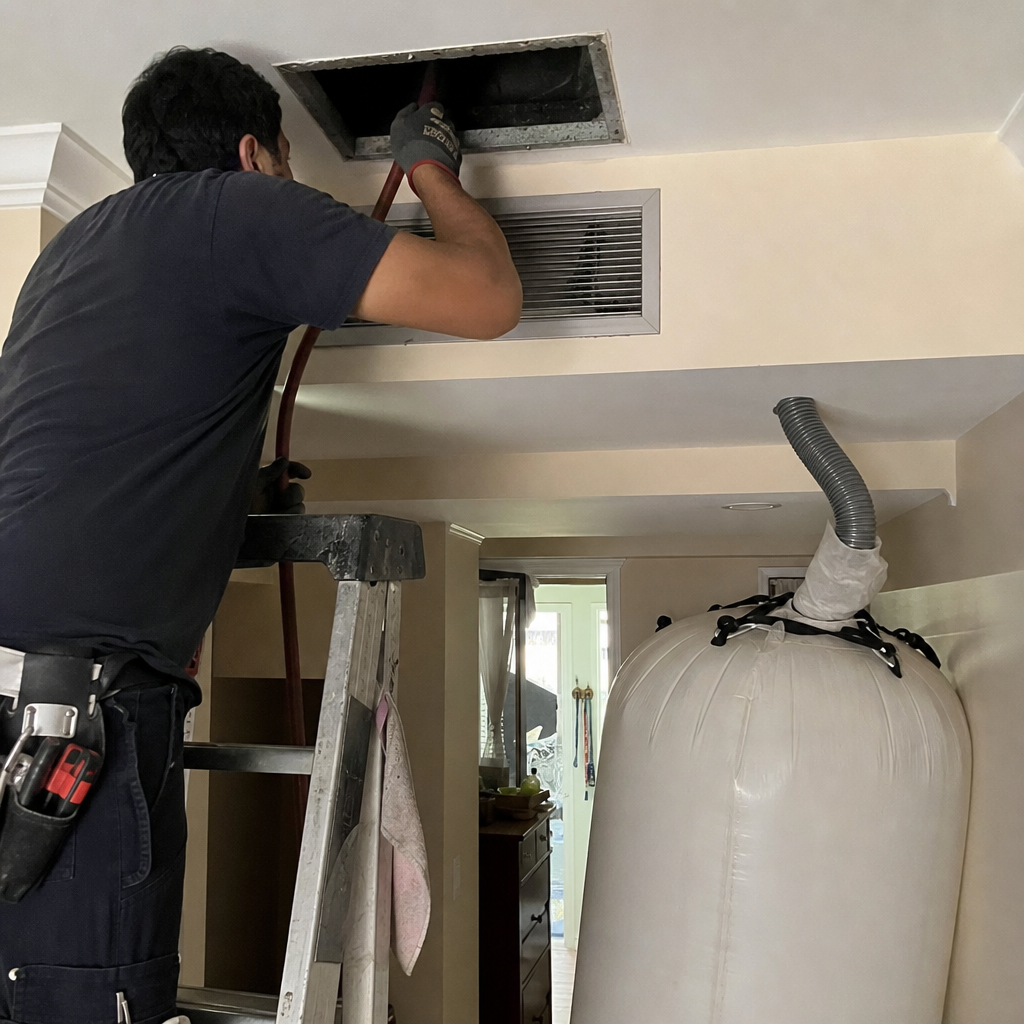
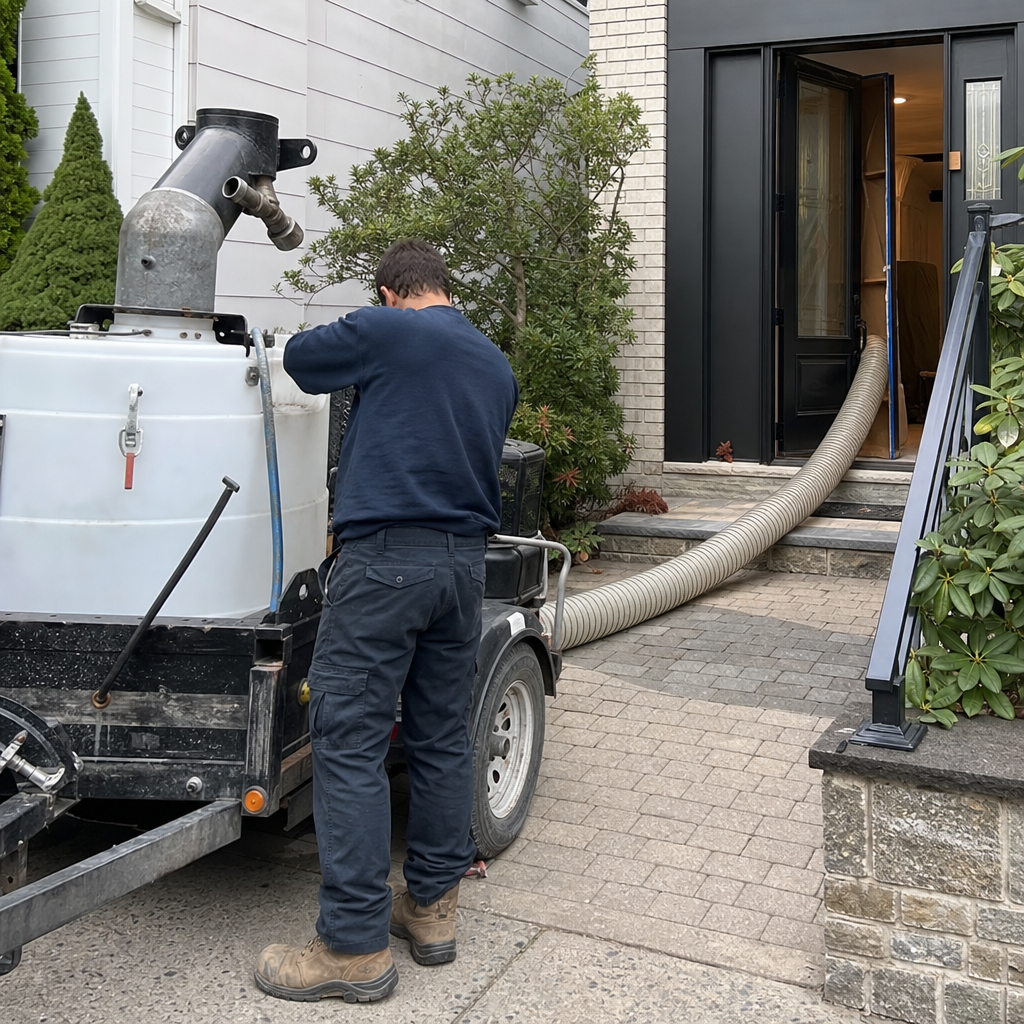
Fast, Reliable Air Duct Cleaning Across Rego Park
Air duct cleaning in Rego Park typically costs $280–$650 for residential units and $1,800–$4,500 for full building-wide co-op riser cleaning, with most single-unit jobs completed same-day. We’re Empire Air Duct Cleaning Service New York, and our Air Duct Cleaning team knows Rego Park’s 11374 ZIP code and its surrounding corridors along Queens Boulevard, 63rd Drive, and Woodhaven Boulevard. Steven Ramirez, our owner and lead technician, has spent 11 years working through the specific challenges of this neighborhood’s postwar co-op buildings — the 6–10 story brick stacks that define Rego Park’s housing stock. Whether you’re a unit owner dealing with persistent cooking odors drifting from another floor, or a co-op board member managing multiple buildings, we arrive with Rotobrush and Nikro equipment sized for your actual infrastructure, not a generic suburban setup. Call (877) 542-5983 for a free estimate — we’re usually on-site in Rego Park within hours, not days.
Why Empire Air Duct Cleaning Service New York Is Rego Park’s Preferred Air Duct Cleaning Company
We’ve built our reputation in Rego Park one building stack at a time. With 982 verified reviews averaging 4.9 stars, we’ve earned the trust of co-op boards and individual unit owners throughout the neighborhood — many of whom manage or live in multiple buildings and call us back for each new property.
Steven runs every job himself. When you hire Empire, you’re not getting a subcontracted crew that changes month to month. You’re getting the owner — the same person who answers your initial call, walks the building with the super, and operates the equipment. That matters enormously in Rego Park, where building-wide riser cleaning requires board approval, coordination with building management, and a technician who can explain findings directly to decision-makers without a game of telephone.
Our response time to Rego Park is typically same-day or next-morning. We understand that odor complaints between units escalate fast in co-op buildings, and that board meetings happen on fixed schedules. We work with your building’s timeline, not against it.
We also know the local landscape: the steam-heated postwar co-ops with no central forced-air supply ducts but complex shared exhaust networks; the frequent kitchen gut-renovations that rerange range-hood connections without proper engineering; the roof-cap condensation issues that accelerate mold growth along Queens Boulevard’s heat-island corridor. This isn’t theoretical knowledge. We’ve cleaned risers from buildings on 97th Street, 63rd Drive, and near the Rego Center — and we’ve seen how Rego Park’s specific conditions create problems that generic duct cleaners miss entirely.
Our Air Duct Cleaning Services in Rego Park
Residential Duct Cleaning
Most Rego Park “residential” duct work isn’t about supply ducts at all — it’s about the exhaust risers that serve your kitchen and bathroom. If you live in one of the neighborhood’s classic postwar co-ops, your range hood likely vents into a shared vertical shaft serving 6–10 floors. We clean what’s accessible from your unit, but we’ll also flag whether the real problem lies deeper in the common-area riser. That’s the honest assessment you need, not a superficial vacuum job that leaves the root cause untouched.
Commercial Duct Cleaning
Rego Park’s commercial spaces — the retail strips along Queens Boulevard, the medical offices near Woodhaven Boulevard, the restaurant spaces in mixed-use buildings — face their own duct challenges. Kitchen exhaust in commercial settings ties into the same aging infrastructure as residential units in many of these mid-rise buildings. We size our Rotobrush and Nikro systems for the heavier grease loads and higher airflow demands of commercial cooking operations, and we coordinate with building management to minimize disruption to ground-floor tenants.
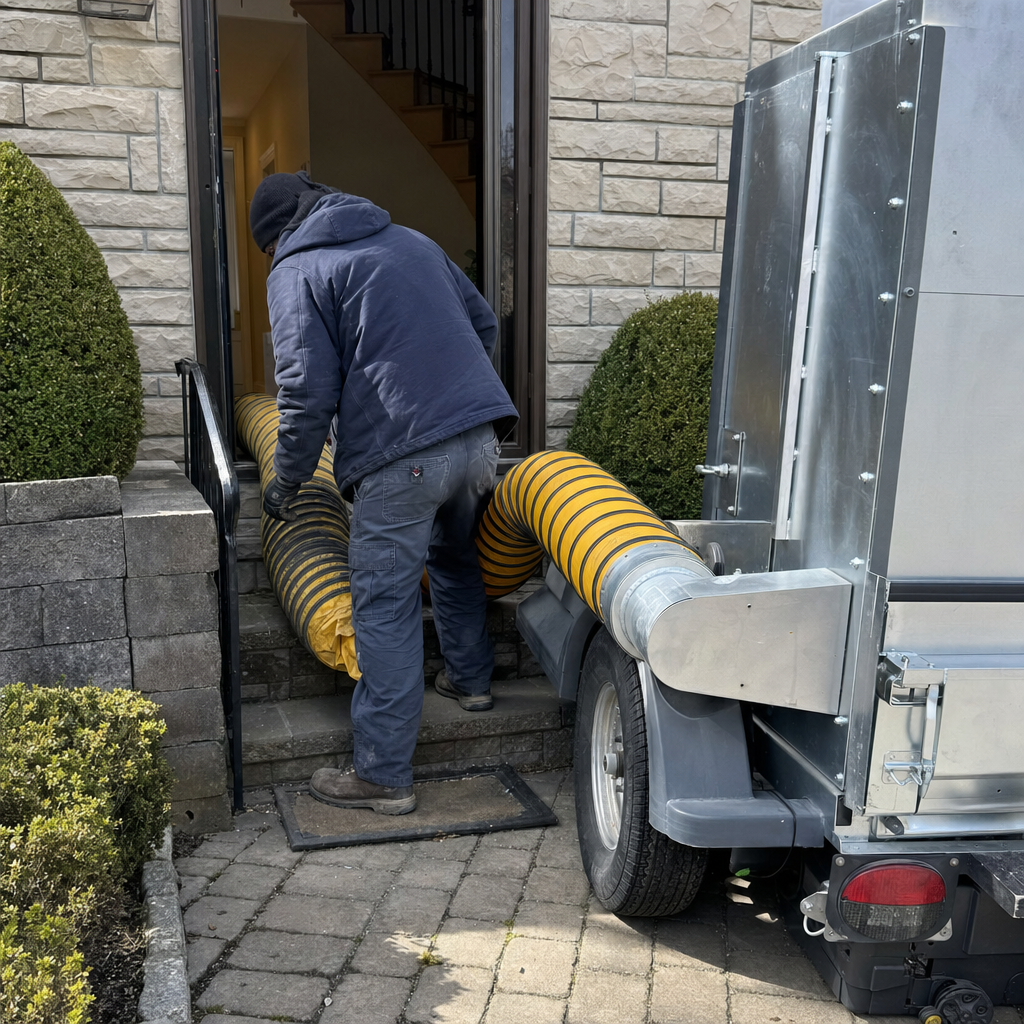
Supply Duct Cleaning
True supply duct cleaning is less common in Rego Park’s steam-heated co-op stock, but some buildings have retrofitted partial forced-air systems or serve individual units with PTAC and through-wall units that develop their own duct contamination. We inspect before we quote — no point charging for supply duct work when your real problem is a grease-choked exhaust riser three floors up. Our video inspection confirms what we’re dealing with before any equipment rolls off the truck.
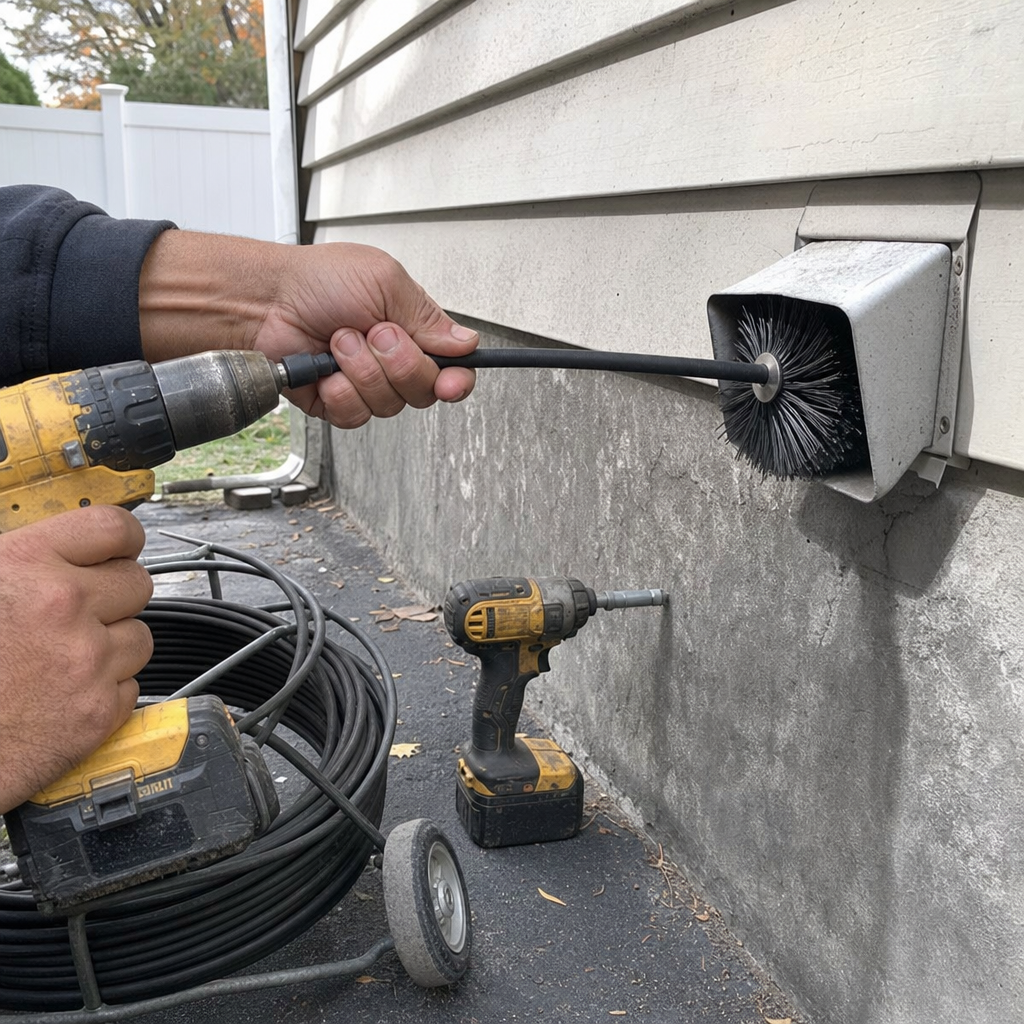
Return Duct Cleaning
Return pathways in Rego Park’s older buildings often consist of joist bays, wall cavities, and improvised ductwork from decades of incremental renovation. These systems collect construction debris, rodent droppings, and the fine particulate that blows in from Queens Boulevard’s heavy traffic. We map return paths with our video systems and clean with equipment matched to the actual duct material — flexible duct, galvanized steel, or masonry cavity — rather than forcing a one-size-fits-all approach that damages fragile older construction.
Full System Cleaning
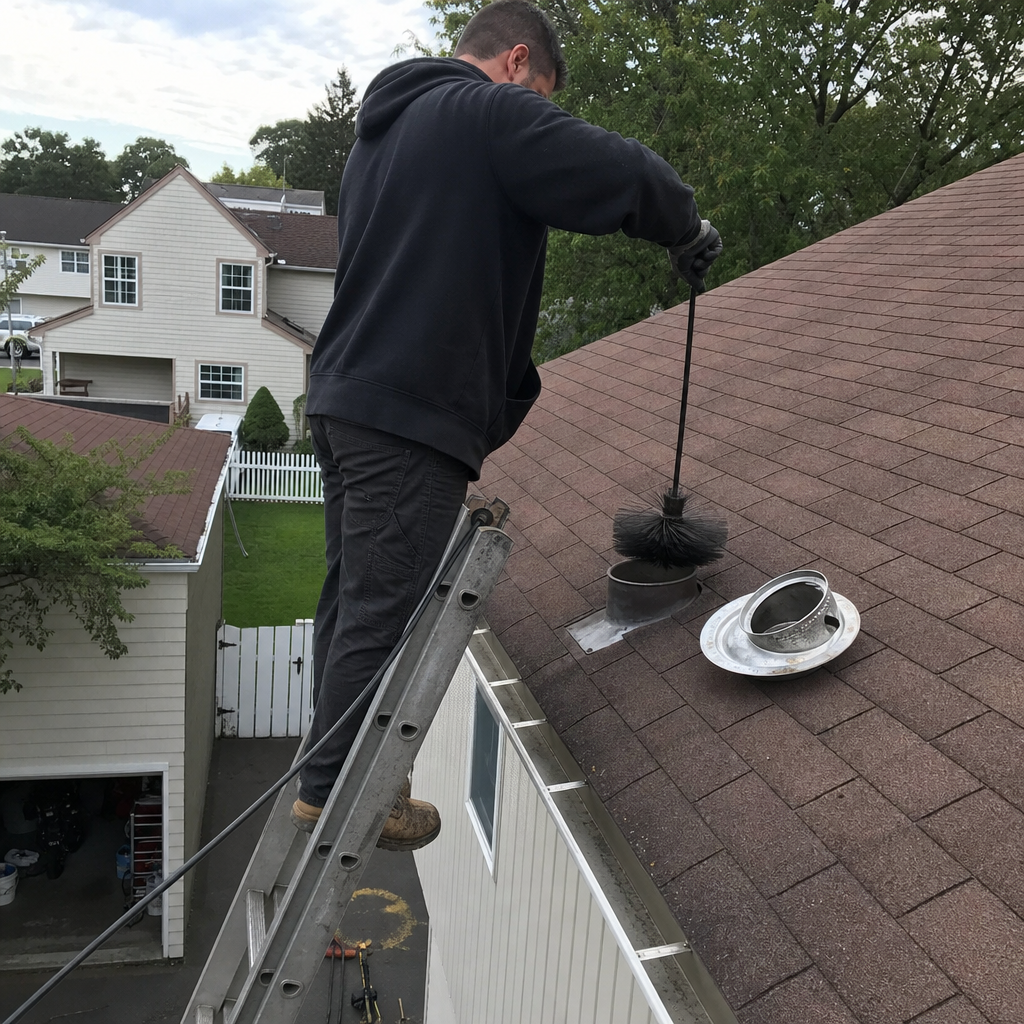
This is what most Rego Park co-op boards actually need: comprehensive cleaning of the entire vertical riser stack, from individual unit connections through the common shaft to the roof cap. It’s a building-wide contract, not a unit-by-unit service. We recently cleaned a 50-year-old grease-laden vertical riser in a 12-story co-op at 97th Street and 63rd Drive, where decades of accumulated particulate from 120+ units had reduced exhaust airflow by 80%. Using our Rotobrush system, we restored the shaft to near-original condition, eliminating cross-floor odor complaints that had plagued the board for years. Full system cleaning in Rego Park runs $1,800–$4,500 depending on building height, riser count, and contamination level.
Video Inspection
Before any major cleaning commitment — especially for co-op boards evaluating a building-wide contract — we run our video inspection cameras through the riser shaft. You’ll see exactly what we see: grease buildup depth, improper renovation connections creating dead-leg traps, roof-cap corrosion, condensation damage. This documentation supports board approval motions and helps prioritize which risers need immediate attention versus routine maintenance. For individual unit owners, video inspection ($180–$280) often reveals whether a localized cleaning will solve your problem or whether the issue originates in common-area infrastructure beyond your control.
What happens when you call
- 1
A real person answersNo phone trees — you reach a local pro.
- 2
You get an upfront price rangeHonest numbers before anyone is dispatched.
- 3
A background-checked tech heads outLicensed & insured, dispatched right away.
- 4
You approve before work beginsNothing starts until you say go.
Trusted Brands We Service in Rego Park
We clean with Rotobrush rotary brush systems and Nikro high-velocity vacuums — the same equipment specified by commercial and industrial contractors for heavy-contamination environments. For air quality and sanitizing work following cleaning, we deploy Honeywell and Guardsman antimicrobial treatments rated for HVAC and exhaust applications. We don’t show up with shop vacs and compressed air wands. The equipment matters because Rego Park’s 50-year grease accumulations and mold-affected roof caps require mechanical agitation and controlled extraction that consumer-grade tools simply can’t deliver. We stock the full range of brushes, whips, and treatment applicators for the duct sizes found in postwar co-op construction — typically 6–10 inch rectangular or round risers, not the standard residential flex-duct common in newer housing.
Common Air Duct Cleaning Problems We See in Rego Park Homes
- Shared riser neglect. Homeowners call us for a single-unit duct cleaning, unaware that their kitchen exhaust feeds into a shared vertical riser. Work on the riser itself requires board approval and a building-wide contract, not a single-unit service. We explain this upfront — no charge for the education, and no false promise of a quick fix that can’t legally or practically happen.
- Dead-leg duct segments from renovations. Frequent kitchen gut-renovations by co-op owners — a common upgrade in this ownership-dense neighborhood — often reroute or extend range-hood connections improperly, creating dead-leg duct segments that trap grease and become fire hazards. We locate these with video inspection and recommend remediation before cleaning proceeds.
- Roof-cap condensation and mold. Condensation pooling inside vertical riser roof caps is common due to Queens’ humid summers and the urban heat island along Queens Boulevard. This accelerates mold growth that requires specialized antimicrobial treatment beyond standard duct cleaning — Guardsman and Honeywell treatments we apply after mechanical cleaning is complete.
- Cross-floor odor migration. In Rego Park’s co-op stacks, a single improperly sealed or clogged range-hood connection on the 4th floor will push cooking odors and grease vapor into units on floors 5 through 8 through the shared riser. Complaints inevitably land on the co-op board, and board members who manage multiple buildings in the neighborhood often become repeat clients once one building-wide cleaning is done right.
Pricing for Air Duct Cleaning in Rego Park, NY
| Service | Typical Range in Rego Park |
|---|---|
| Single-unit exhaust duct cleaning (accessible portion) | $280–$450 |
| Video inspection (riser or unit) | $180–$280 |
| Full building-wide riser cleaning (per riser, 6–10 stories) | $1,800–$4,500 |
| Antimicrobial treatment following cleaning | $150–$350 per treated zone |
| Dead-leg remediation / improper connection repair | $400–$900 |
| Commercial kitchen exhaust (ground-floor tenant) | $650–$1,400 |
What moves you within these ranges? Building height and riser count for co-op contracts; contamination depth (light surface grease versus decades of baked-on accumulation); accessibility (some Rego Park buildings have sealed plenum spaces requiring additional access work); and whether mold remediation or dead-leg repair is needed alongside cleaning. We provide itemized, upfront quotes before any work begins — no escalation once we’re on-site. Call (877) 542-5983 for your free estimate; we’ll scope the job in person and give you a number that doesn’t change.
We Also Serve Cities Near Rego Park
Our service radius covers the central Queens corridor where co-op construction and aging infrastructure create similar challenges. We regularly work in Forest Hills with its comparable postwar stock, Elmhurst and its mixed-use buildings, Corona for residential and small commercial systems, and Middle Village where single-family and attached housing presents different duct configurations. If you manage properties across multiple neighborhoods, one relationship with Empire covers your full portfolio — same technician, same equipment standards, same direct accountability from Steven Ramirez.
Serving Rego Park, NY — Our Local Coverage Area
We’re based in the Rego Park area and know this community well. Use the map below to see our service coverage — if you’re nearby, we can almost certainly help.
FAQs — Air Duct Cleaning in Rego Park
The shared vertical exhaust risers in Rego Park’s postwar co-ops are common-area property, not individual unit infrastructure, so legally and practically any work affecting the full riser stack requires board authorization and typically a building-wide contract. We prepare the scope documentation, video inspection reports, and cost breakdowns that boards need for their approval process — we’ve done this for dozens of Rego Park buildings and understand the timeline and format that works.
We can clean the accessible ductwork within your unit — the connection from your range hood to the riser tap — but if the riser itself is the source of odors, backpressure, or grease migration, that work requires board involvement. We’ll tell you honestly which category you’re in after our video inspection. Call (877) 542-5983 to schedule that inspection — estimates are free.
Buildings with heavy cooking loads and minimal individual unit filtration should schedule full riser cleaning every 3–5 years; buildings with better unit-level grease traps and lighter use can extend to 5–7 years. The specific interval depends on your building’s renovation history — frequent kitchen gut jobs increase dead-leg risk — and whether you’ve had cross-floor odor complaints. We maintain service records for Rego Park buildings and send reminder recommendations based on your last cleaning date and condition.
Rego Park’s concentration of postwar co-op buildings with shared vertical risers — rather than individual duct systems or newer forced-air construction — creates a regulatory and technical environment unique in the city. The board-approval requirement, the steam-heat context that eliminates supply ducts, the renovation-driven dead-leg problems, and the Queens Boulevard heat-island effects on roof-cap condensation all combine to make Rego Park duct work a specialty within a specialty. We’ve spent 11 years developing specific protocols for these conditions.
Yes — our video inspection cameras map grease accumulation depth, improper renovation connections, structural damage, and roof-cap condition throughout the full riser length. For co-op boards, this documentation supports maintenance planning and reserve-fund allocation. For individual unit owners, it clarifies whether your complaint originates in your unit, a neighbor’s connection, or common-area infrastructure. The inspection costs $180–$280 in Rego Park and typically takes under an hour. Call (877) 542-5983 to schedule — we’ll show you exactly what we’re dealing with before any larger commitment.
Ready to solve your Rego Park building’s duct problems? Call (877) 542-5983 for your free estimate. Steven Ramirez will walk the job with you personally, explain what your specific building needs, and give you an upfront price that covers the work — not a teaser that balloons once we’re inside the walls. We’ve spent 11 years earning our 982 reviews at 4.9 stars by doing exactly what we say we’ll do. Let’s add your building to that record.
Written by Steven Ramirez, Owner and Lead Technician at Empire Air Duct Cleaning Service New York, serving Rego Park and central Queens since 2013.