
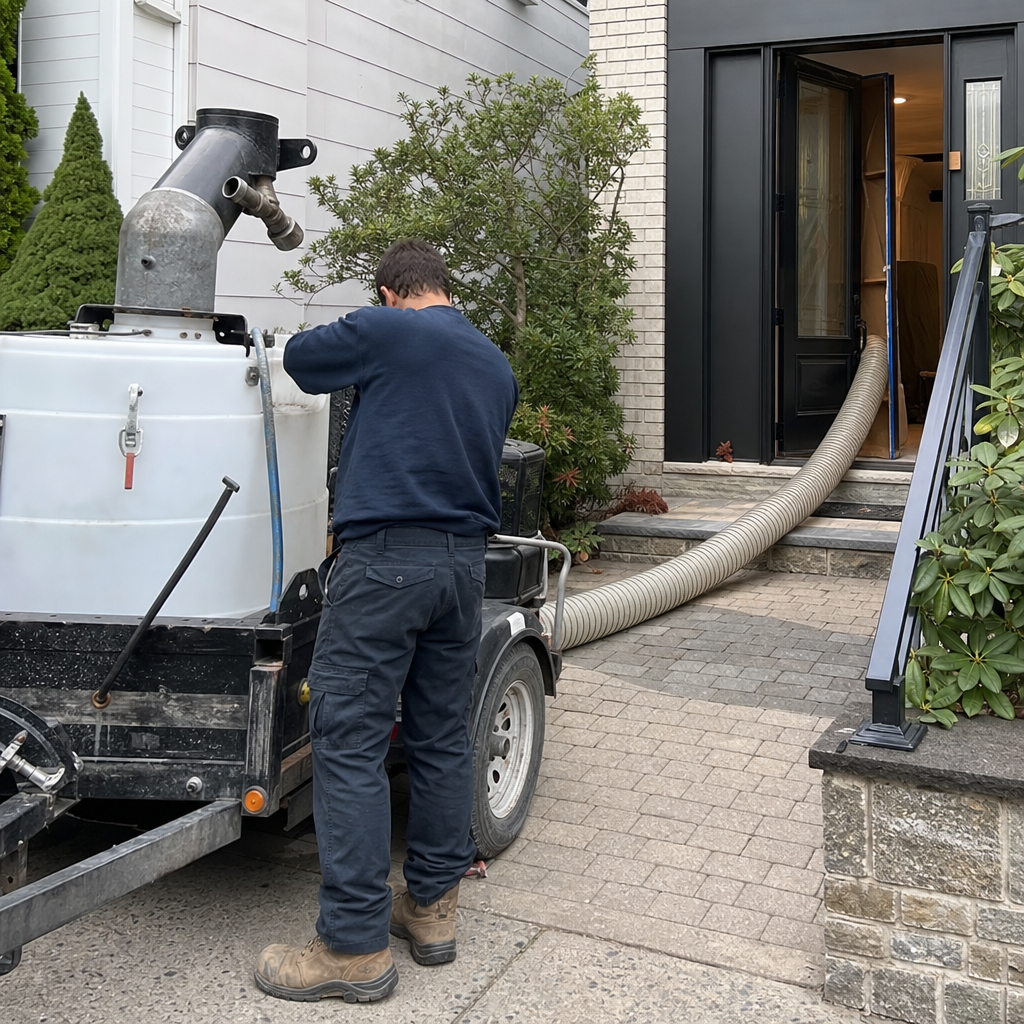
Carrier Air Duct Cleaning in Corona, NY | Empire Air Duct Cleaning Service New York
Carrier air duct cleaning in Corona, NY typically runs $350–$650 for a complete residential system, with most jobs completed in a single visit. We provide independent Carrier sales & service across Corona’s 11368 ZIP code — not manufacturer-authorized, but trained specifically on Carrier’s high-velocity and traditional split-system ductwork in the retrofitted row houses that define this neighborhood. Where out-of-area crews underestimate the complexity of plaster-wall duct runs and underprice accordingly, we scope first and quote accurately. Call (877) 542-5983 for a free estimate.
Why Corona Residents Choose Us for Carrier Service
We’ve been cleaning Carrier systems in Corona for eleven years, and we’ve learned what the neighborhood’s housing stock does to ductwork that other boroughs don’t face — including challenges similar to those we address with our Air Duct Cleaning in Corona. Steven Ramirez runs every job himself — the same person who answers your call runs the Rotobrush and Nikro equipment at your property. That’s not a selling point; it’s just how we work.
Our 982 verified reviews averaging 4.9 stars come from customers who’ve watched us navigate the tight offsets and improvised transitions that Carrier retrofits in Corona require. We use OEM Carrier parts for critical components like circuit boards and compressors, but we’re straight with you when a high-quality aftermarket filter or sealant performs equally well at lower cost. No manufacturer affiliation means no pressure to push new equipment — we clean, repair, and seal what’s there, and we tell you honestly when replacement makes more sense than another repair.
Steven grew up in Carrier in Jackson Heights, trained at Queensborough Community College, and spent his teens watching his uncle work HVAC across the five boroughs. He knows the difference between a duct run that was engineered and one that was improvised through a 1920s plaster wall because he’s opened both.
Common Carrier Air Duct Cleaning Problems We Solve in Corona
- Carrier evaporator coils icing up from restricted airflow. In Corona’s retrofitted row houses, convoluted duct runs and undersized returns choke airflow across Carrier Performance and Infinity coils. We regularly find biofilm coating the coil face — a direct result of humid Queens summers meeting stagnant air in ductwork never designed for forced-air systems.
- Infinity air handler condensate drain clogs. Debris accumulates in improvised flex-duct transitions in Corona’s walk-up apartments, eventually washing into the drain pan and hardening. We’ve pulled mouse droppings, plaster chunks, and black mold sludge from drains that backed up through ceilings because the clog went unaddressed.
- High-velocity mini-duct outlets blocked by loose plaster. Carrier’s high-velocity systems in Corona’s horsehair-plaster walls — especially around Junction Boulevard — suffer outlets choked with century-old plaster debris. Standard rotary-brush rigs can’t navigate these tight offsets; we scope first, then select brushes sized to the actual duct geometry.
- Outdoor condenser coils fouled by jet-fuel residue and diesel particulates. Corona sits directly under LaGuardia approach corridors and immediately north of the Long Island Expressway. Carrier condensers here accumulate a sticky, acidic film that reduces efficiency by up to 30% — a failure mode suburban technicians rarely encounter.
- Disconnected joints and flex-duct patching trapping debris. Retrofitted Carrier systems in Corona’s 1920s–1950s housing stock often run through dropped ceilings and wall cavities with multiple improvised connections. Each joint is a debris trap; each patch is a restriction point that our video inspection locates before cleaning begins.
Carrier Service in Corona: What Local Conditions Mean for Your Equipment
In Corona’s row-house blocks around Junction Boulevard, many retrofitted Carrier high-velocity mini-duct systems were run inside original horsehair-plaster walls. Standard rotary-brush rigs cannot navigate the tight offsets, and our video scoping regularly reveals loose plaster debris and mouse harborage inside duct cavities — a scope-creep issue out-of-area crews routinely underprice. We’ve arrived after budget operators who quoted low, discovered the plaster-wall complexity, and either abandoned the job half-finished or simply never scoped deep enough to find the actual contamination.
Steven handled a Carrier Infinity air handler in a 1930s row house on 109th Street where the previous company had routed supply ducts through the original coal-chute enclosure. Our video inspection revealed a live squirrel nest in the return plenum, and we had to manually section the flex duct in three places to extract the debris and seal the chase. The homeowner hadn’t used the system in two years due to smell. Our cleaning restored full airflow. That’s the difference between a crew that sees “duct cleaning” on a checklist and technicians who understand what Corona’s housing stock actually contains.
The Long Island Expressway corridor and LaGuardia flight paths overhead mean Corona’s Carrier systems process particulate loads that suburban equivalents never see. Jet-fuel exhaust and diesel residue don’t just dirty filters — they coat evaporator coils, accelerate biofilm growth in humid summer conditions, and degrade flex-duct adhesives faster than manufacturer specifications assume. Cleaning intervals that might suffice in Westchester or Nassau County fall short here.
Carrier Models & Products We Service in Corona
We clean and service Carrier ductwork across all major residential lines: Performance Series central air conditioners and heat pumps, Infinity Series variable-speed furnaces and air handlers, Comfort Series packaged units and PTAC systems, and the high-velocity mini-duct systems increasingly retrofitted into Corona’s older housing. We also provide Forest Hills Carrier service for similar retrofit installations. Our Rotobrush and Nikro equipment handles both traditional sheet-metal ducting and the narrow-gauge tubing of high-velocity installations.
For critical repairs, we stock and install OEM Carrier circuit boards, compressors, and control modules to ensure system compatibility. For consumables — filters, sealants, access panels — we specify high-quality aftermarket products from Honeywell, Aprilaire, and Abatement Technologies where testing shows equivalent performance. We don’t mark up OEM parts unnecessarily, and we don’t substitute cheap alternatives where specifications matter. Our Guardsman protective products keep your property clean during the work.
Carrier Service Pricing in Corona
| Service | Typical Range in Corona |
|---|---|
| Standard air duct cleaning (single system, up to 12 vents) | $350 – $550 |
| High-velocity mini-duct system cleaning (scoped, sectioned access) | $450 – $650 |
| Evaporator coil cleaning (included with full duct service) | $75 – $150 add-on if standalone |
| Video inspection with written report | $125 – $200 |
| Duct sealing (Aeroseal or manual mastic application) | $400 – $800 depending on linear footage |
Corona’s retrofitted systems cost more to clean properly than standard suburban installations because of access complexity — tight plaster-wall runs, dropped-ceiling chases, and improvised transitions take time to scope and navigate correctly. Our estimates are free and include video inspection footage you can review before we start. We don’t quote low to get in the door, then discover “unexpected” complications. Call (877) 542-5983 for an exact quote on your Carrier system.
Serving Corona, NY — Our Local Coverage Area
We’re based in the Corona area and know this community well, and we also offer Carrier in East Elmhurst. Use the map below to see our service coverage — if you’re nearby, we can almost certainly help.
FAQs — Carrier Air Duct Cleaning in Corona
Yes, but it requires scoped assessment first. We use flexible Nikro camera systems to map the actual duct geometry inside your horsehair-plaster walls before selecting brush diameter and flexibility. Standard rigid rotary brushes will crack plaster or lodge in tight offsets — we’ve extracted broken brush heads left by previous crews. In Corona’s Junction Boulevard-area row houses, we typically find sectioned access through closet chases or basement headers works better than wall penetration. Call (877) 542-5983 and we’ll scope it during your free estimate.
Very possibly. Corona’s position directly north of the Long Island Expressway and under LaGuardia flight paths exposes outdoor condenser coils and indoor duct intakes to diesel particulate and jet-fuel residue that restricts airflow and insulates heat-exchange surfaces. We’ve measured 25–30% efficiency loss from coil fouling alone in Corona properties within two blocks of the expressway. Combined with debris accumulation in retrofitted ductwork, your system works harder to move less air. A full cleaning including condenser coil treatment and duct scoping typically resolves this. Call (877) 542-5983 for a free estimate — we’ll check both indoor and outdoor components.
We warranty our workmanship for one year on all installations, and OEM Carrier parts carry their manufacturer’s warranty terms — typically 5 years on compressors, 1 year on control boards when registered. We handle warranty paperwork for parts we supply. Aftermarket components from Honeywell, Aprilaire, and Abatement Technologies carry their respective manufacturer warranties. We’re explicit about which category each part falls into before installation, so you know exactly what coverage applies.
Safe to clean, but requiring specific protocol. We video-inspect first to identify asbestos-containing insulation, vermiculite, or degraded fiberglass — common in Corona’s pre-war housing where ducts were retrofitted through unconditioned spaces. If we encounter hazardous materials, we stop and recommend certified abatement; we don’t disturb asbestos. Most commonly, we find compressed cellulose or degraded flex-duct wrapping that we can safely remove and replace with modern, sealed insulation. Our Honeywell and Abatement Technologies air quality equipment verifies particulate levels post-cleaning. Call (877) 542-5983 to schedule inspection.
Every 2–3 years for standard Corona properties, annually if you’re within two blocks of the LIE or under heavy LaGuardia flight paths. The particulate load here exceeds suburban and even most other Queens neighborhoods — we’ve documented 40% heavier debris accumulation in Corona systems versus comparable Astoria or Sunnyside installations. Humid summers accelerate biofilm growth on debris-coated surfaces. If you have allergies, pets, or a high-velocity system with narrow ducts, lean toward annual cleaning. Call (877) 542-5983 and we’ll assess your specific exposure and system type.
Service Areas Near Corona
We serve Carrier owners throughout Corona’s 11368 ZIP and surrounding Queens and Manhattan neighborhoods, including Rego Park Carrier service. Our regular routes include Chinatown for commercial kitchen exhaust and residential ductwork in converted tenements, Gramercy Park for pre-war co-op HVAC cleaning, East Village walk-ups with retrofitted mini-split and ducted systems, and Hell’s Kitchen high-rise residential towers. Across the Hudson, we schedule Hoboken and Weehawken properties weekly. Same-day availability varies by location — Corona residents typically get next-day or same-week service.
Book Your Carrier Service in Corona Today
Clean ducts aren’t a luxury — they’re just what the air in your home deserves. If your Carrier system hasn’t been scoped and cleaned in the last two years, or if you’re noticing reduced airflow, musty odors, or constant cycling, we’ll diagnose it honestly and fix it thoroughly. Steven runs the job himself, and we bring eleven years of one specialty to your door. We also provide Elmhurst Carrier service with the same direct attention. Call (877) 542-5983 for a free estimate — most Corona properties get same-week scheduling.
Written by Steven Ramirez, Owner and Lead Technician at Empire Air Duct Cleaning Service New York, serving Corona and the five boroughs since 2013.