
Fast, Reliable HVAC Cleaning Across Coney Island
HVAC cleaning in Coney Island typically costs $280–$650 for residential systems and is usually completed in a single visit. For buildings with post-Sandy contamination or advanced salt corrosion, full remediation with coil treatment runs $480–$920. We’re based in New York City and regularly on the road to Coney Island — call (877) 542-5983 and we’ll usually have Steven Ramirez, our owner and lead technician, out to your building in 11224 within the same day or next morning.
We’ve been cleaning ducts and HVAC systems across Coney Island for 11 years. We know the Coney Island Houses, the corridors of O’Dwyer Gardens, the low-rise brick buildings along Mermaid Avenue, and the particular way this peninsula’s Atlantic exposure punishes mechanical systems. This isn’t inland Brooklyn. The salt air here is relentless, and it changes how often you need HVAC Cleaning and what that cleaning must accomplish.
Why Empire Air Duct Cleaning Service New York Is Coney Island’s Preferred HVAC Cleaning Company
Our reputation in Coney Island was built one building at a time. Steven Ramirez runs every job himself — the same person who answers your call is the one opening your air handler, inspecting your coils, and running the Rotobrush equipment. Customers in 11224 tell us this matters because they’ve dealt with dispatchers who send rotating crews that don’t know the building’s history.
Nearly 1,000 customers have reviewed us, and those reviews average 4.9 stars. That volume matters — it means we’ve maintained consistency across hundreds of jobs, not cherry-picked a handful of testimonials. Coney Island property managers specifically cite our familiarity with NYCHA central duct configurations and our willingness to work within their access restrictions.
Response time to Coney Island is typically same-day or next-morning. We’re on the road from our New York City base regularly, and we don’t subcontract to third-party crews who need directions to the peninsula. When you call (877) 542-5983, you’re talking to the person who will handle your job.
Local knowledge that builds trust: We understand the post-Sandy landscape of Coney Island. Buildings near the boardwalk end of 11224, particularly those with basement mechanical rooms that took water in 2012, have contamination patterns we recognize immediately. We know which structures never received full HVAC remediation after the surge, and we know what silted, rust-stained ductwork looks like versus normal aging.
Our HVAC Cleaning Services in Coney Island
Evaporator Coil Cleaning
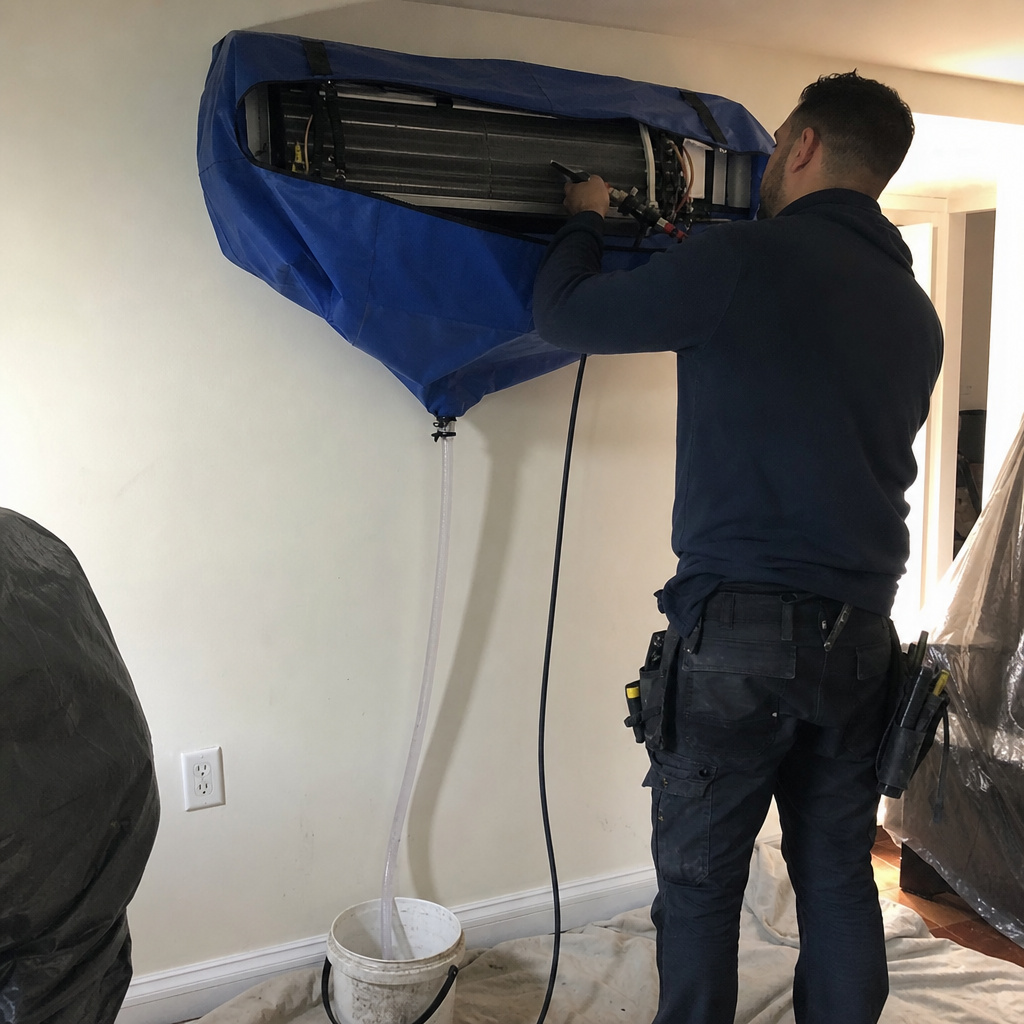
The evaporator coil is where Coney Island’s coastal environment does its worst damage. Salt-laden air drawn through intake vents deposits hygroscopic films on coil fins — these films trap humidity, biological matter, and particulates, creating a perpetually damp surface that breeds mold and reduces heat transfer efficiency. In buildings near Surf Avenue and the boardwalk, we’ve seen coils so encrusted that airflow dropped by 30% before the tenant even noticed musty odors. Our process removes these salt deposits completely, then applies a corrosion-inhibiting coil treatment to slow recontamination. This isn’t standard maintenance. It’s coastal-specific remediation.
Blower Cleaning
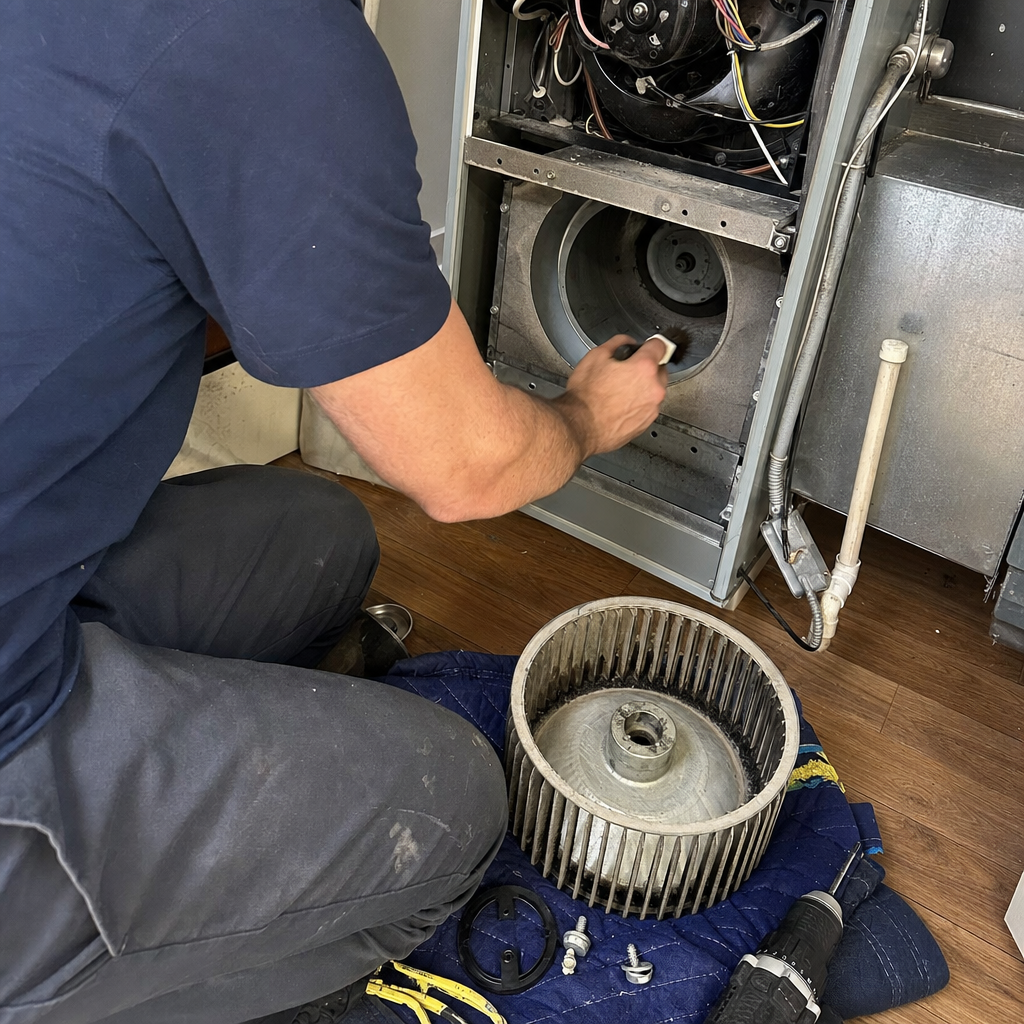
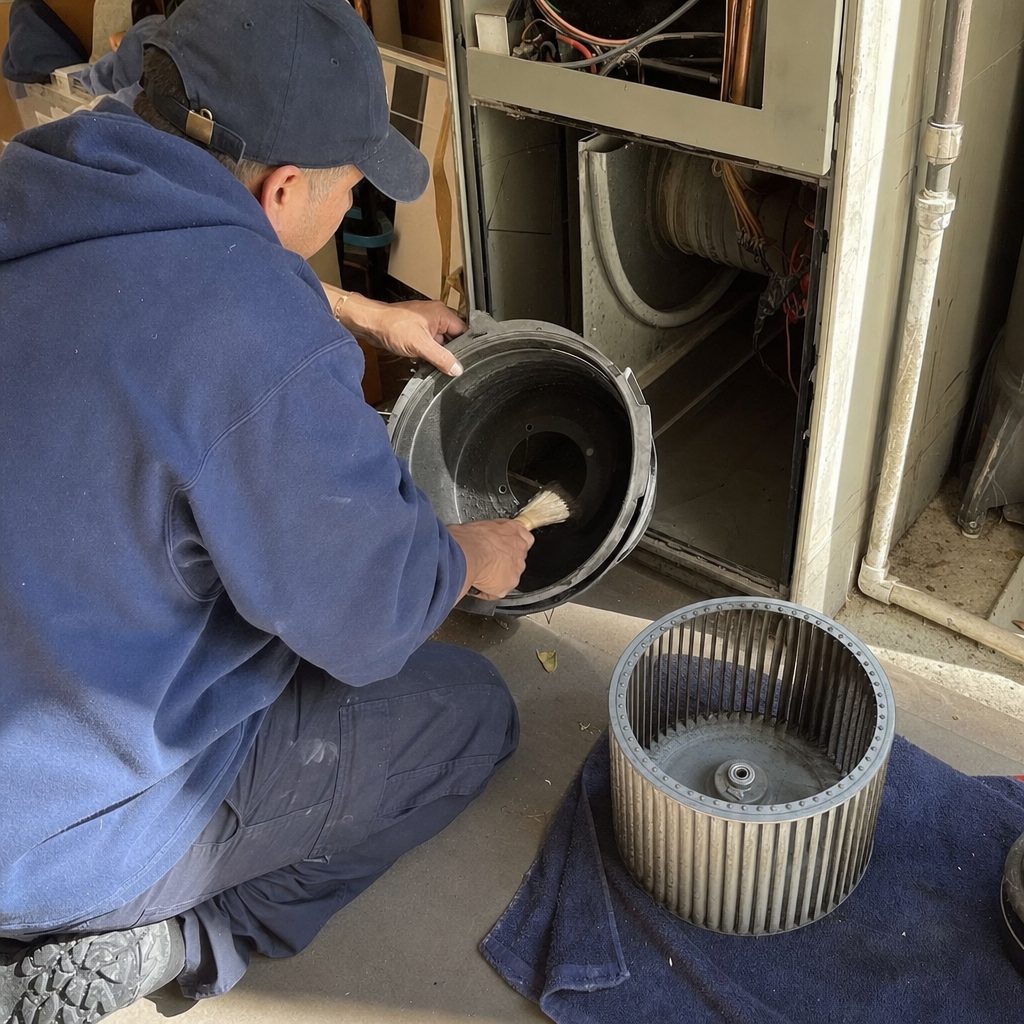
The blower wheel and housing accumulate the same salt-particulate film as coils, but with an added complication: imbalance. When salt buildup distributes unevenly across blower blades, vibration increases, motor bearings wear prematurely, and noise becomes noticeable through the vents. In Coney Island’s older low-rise brick buildings along Neptune Avenue, original blower assemblies have been running with incremental salt loading for decades. We remove the blower, clean all surfaces with Nikro vacuum extraction, and rebalance the assembly before reinstallation. Steven inspects motor mounts and bearings for corrosion damage while the unit is open — catching failures before they strand you without heat in January.
Condenser Cleaning
Outdoor condenser units in Coney Island face direct Atlantic exposure. Salt spray coats aluminum fins, accelerates corrosion on steel cabinets, and can pit copper tubing over time. The marine layer here is constant — not a summer-only phenomenon. We pressure-wash condenser coils with foaming cleaner formulated for salt residue, straighten damaged fins for proper airflow, and inspect electrical connections for corrosion that causes intermittent failures. For ground-level units near the beach, we recommend more frequent cleaning cycles than manufacturers specify for inland locations.
Air Handler Cleaning
NYCHA high-rises and mid-rise buildings throughout Coney Island — Coney Island Houses, O’Dwyer Gardens, Carey Gardens — rely on centralized air handlers serving multiple floors through extensive duct networks. These systems are rarely fully cleaned, and the salt-humidity combination accelerates deterioration of galvanized duct interiors. Our air handler service includes complete cleaning of the cabinet, drain pan, and accessible duct transitions, plus inspection for post-Sandy water damage that may have compromised insulation or created hidden mold reservoirs. We coordinate with building management for access and work within NYCHA scheduling requirements.
Heat Exchanger Cleaning
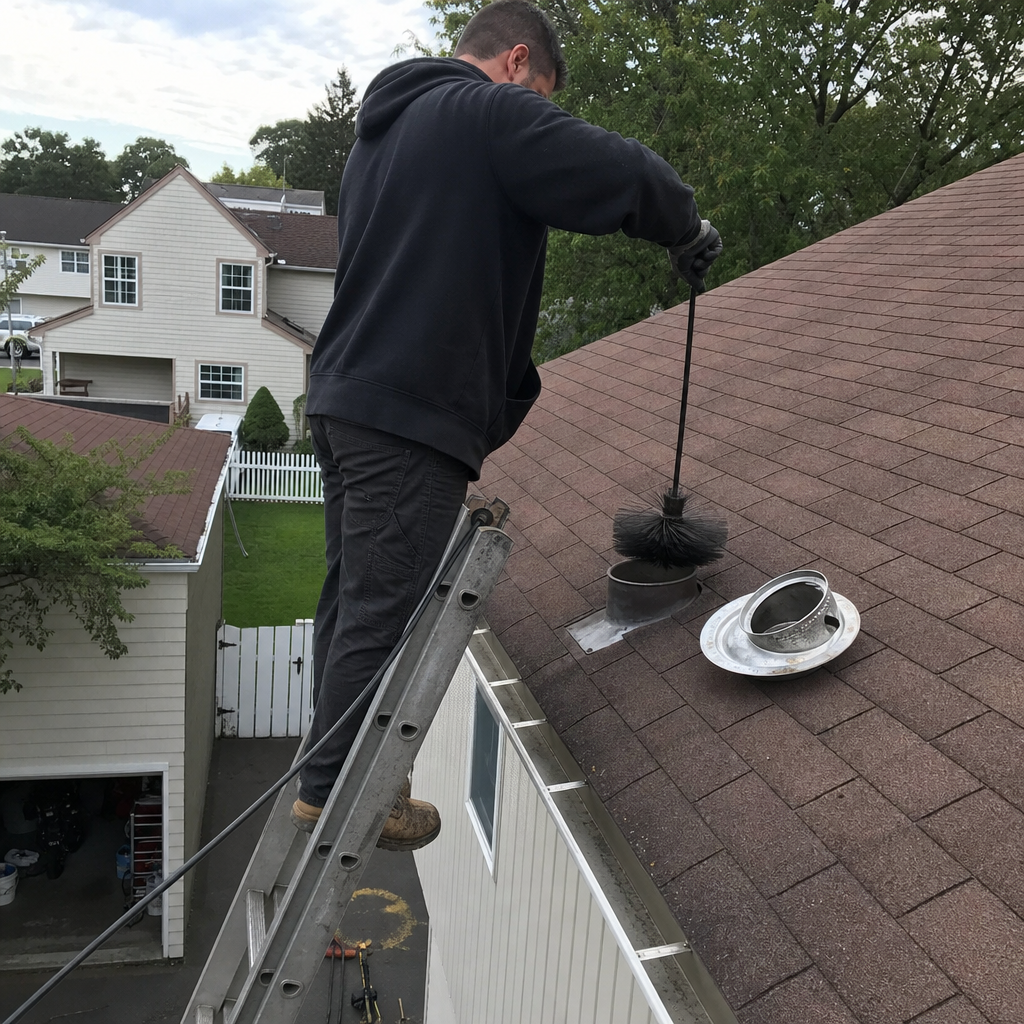
Gas-fired heating systems in Coney Island’s older housing stock require particular attention to heat exchanger integrity. Salt corrosion can weaken exchanger metal, creating cracks that leak combustion gases into conditioned air. We inspect visually and with borescope cameras where access is limited, clean soot and scale deposits that reduce efficiency, and document condition for property managers who need maintenance records. This is safety-critical work — we do not recommend DIY inspection of heat exchangers due to the risk of carbon monoxide exposure from undetected cracks.
Coil Treatment
After cleaning, we apply a corrosion-inhibiting coil treatment specifically formulated for coastal environments. This isn’t a cosmetic step — it creates a molecular barrier on metal surfaces that resists salt film adhesion and extends the interval between necessary cleanings. In Coney Island’s conditions, untreated coils typically require re-cleaning within 12–18 months. With proper treatment and maintained filtration, that interval extends to 24–30 months. We use Guardsman corrosion inhibitors as part of our coastal protocol.
What happens when you call
- 1
A real person answersNo phone trees — you reach a local pro.
- 2
You get an upfront price rangeHonest numbers before anyone is dispatched.
- 3
A background-checked tech heads outLicensed & insured, dispatched right away.
- 4
You approve before work beginsNothing starts until you say go.
Trusted Brands We Service in Coney Island
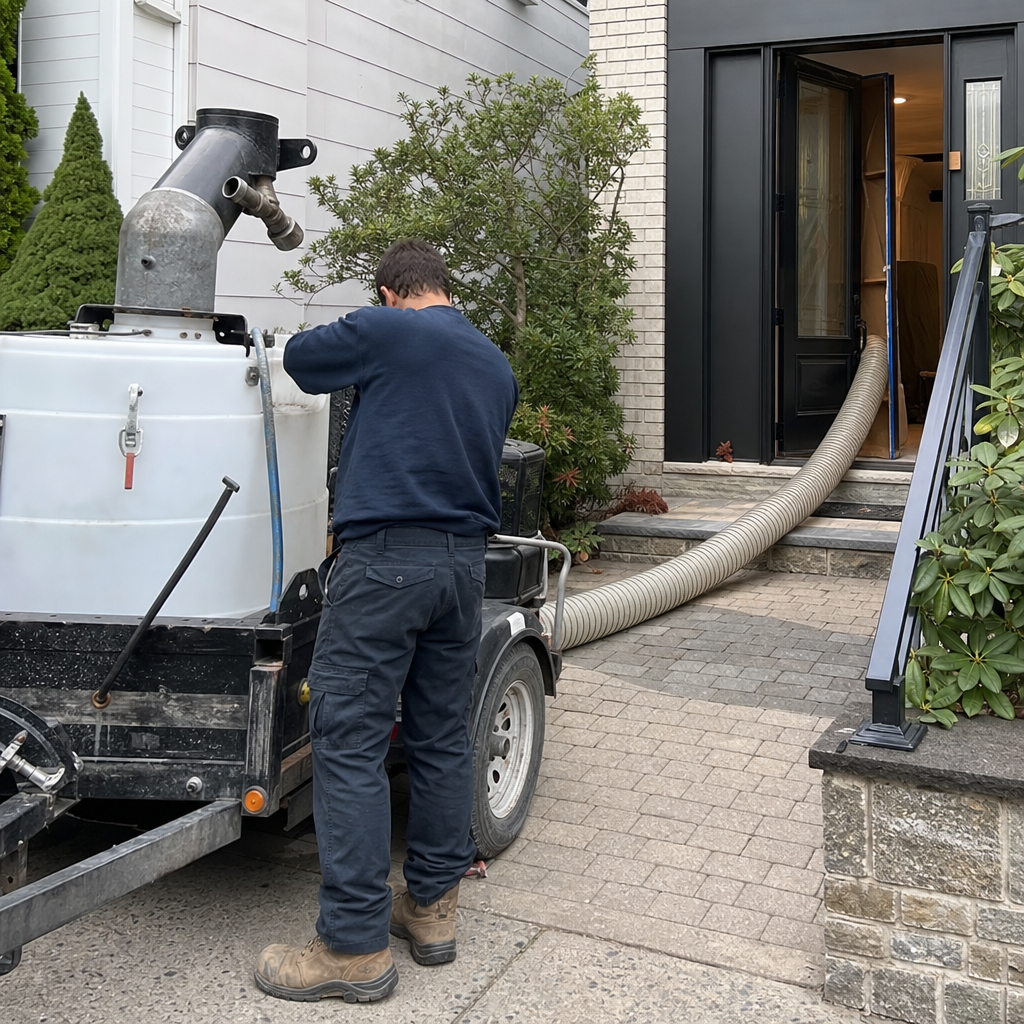
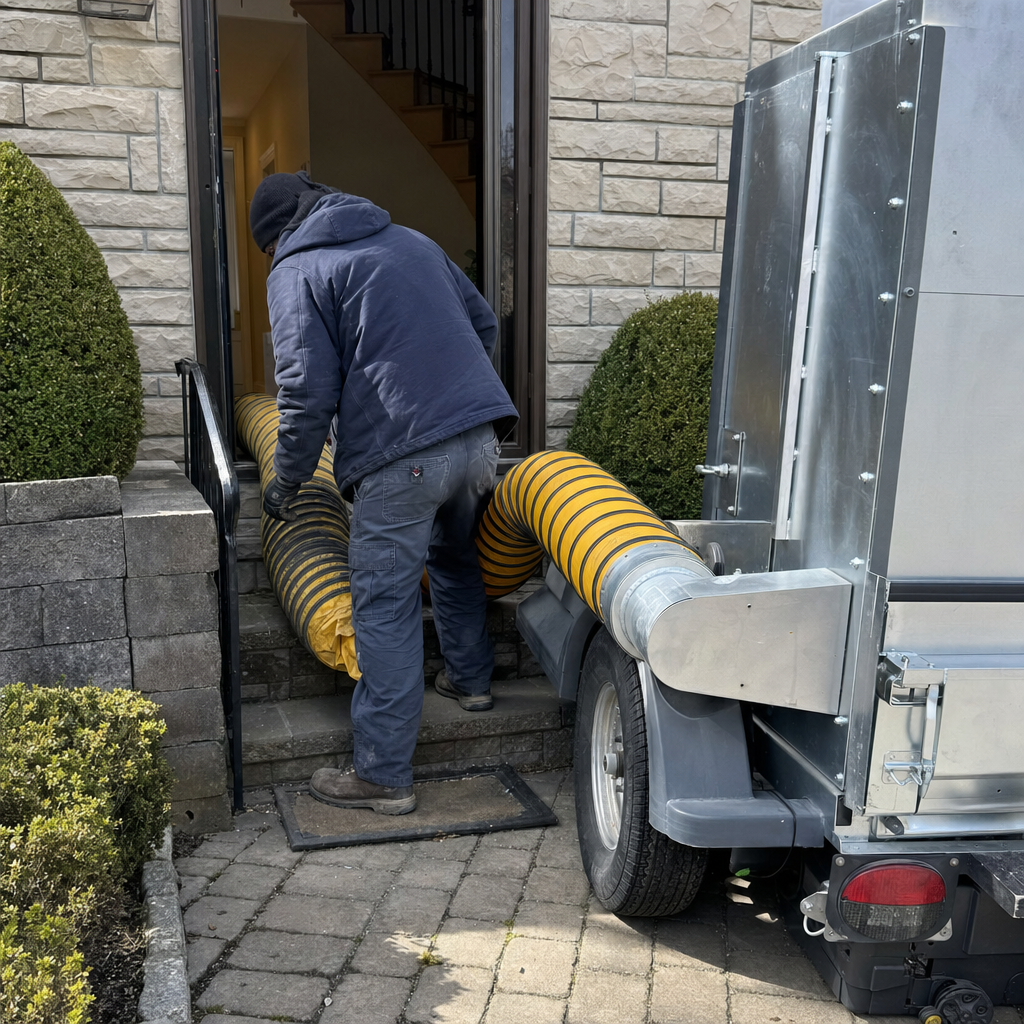
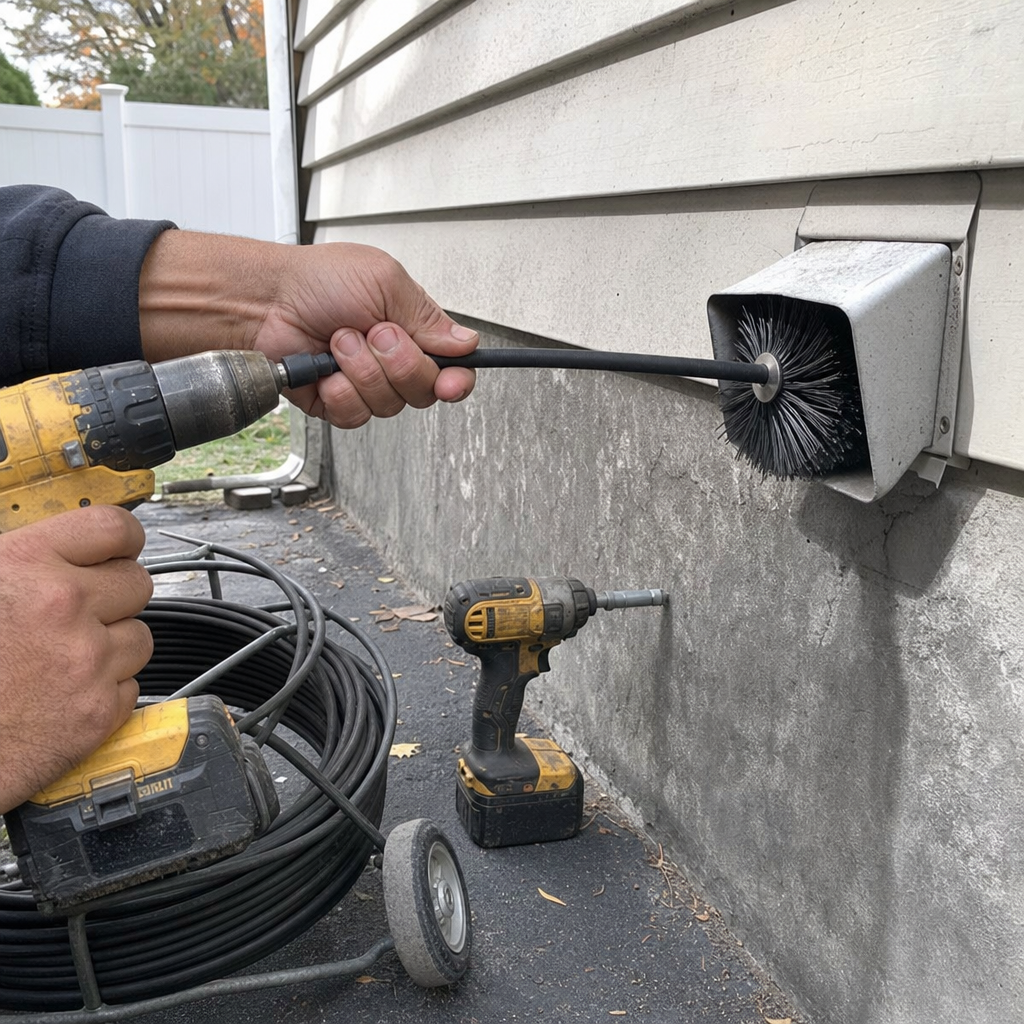
We clean and maintain systems from every major manufacturer, and we stock common filters and components for fast turnaround on Coney Island jobs. Our cleaning equipment — Rotobrush rotary brush systems and Nikro high-velocity vacuums — is the same hardware used by commercial and industrial contractors, not converted shop equipment. For air quality and sanitizing solutions, we deploy Honeywell and Aprilaire systems where building conditions warrant supplemental treatment. We don’t carry every part for every brand, but 11 years of focused work means we know what fails in coastal conditions and we arrive prepared for those failures.
Common HVAC Cleaning Problems We See in Coney Island Homes
- Salt corrosion of galvanized ductwork. The peninsula’s unobstructed Atlantic exposure means salt spray and above-average relative humidity are constant, not seasonal — duct interiors develop hygroscopic salt films that trap particulates and biological matter even in buildings without obvious water intrusion. This makes routine cleaning cycles here more critical and more frequent than for equivalent buildings just a few miles inland.
- Post-Sandy silt and brackish water residue in basement ducts. Technicians working post-Sandy buildings near the boardwalk end of 11224 routinely find silted, rust-stained duct runs in basement mechanical rooms — a signature of the 2012 surge. The damp, saline sub-slab environment means re-contamination rates are high enough that a one-time cleaning without sealing exposed metal is essentially temporary.
- Multi-floor central ducts in NYCHA buildings that have never been fully cleaned. The dominant stock in 11224 is Coney Island Houses, O’Dwyer Gardens, and Carey Gardens — mid-rise and high-rise public housing built in the 1950s–1970s with aging central duct systems spanning multiple floors. Salt and humidity damage accumulates unchecked because these systems are rarely accessed completely.
- Original galvanized ductwork pitted from decades of coastal exposure. In the older low-rise brick apartment buildings scattered through Coney Island, original ductwork has been breathing salt air since installation. Pinhole leaks develop, releasing conditioned air into wall cavities and drawing unfiltered salt air into return paths.
Pricing for HVAC Cleaning in Coney Island, NY
We don’t quote blind — every job gets a free, on-site estimate — but here’s what Coney Island customers typically pay:
| Service | Typical Range in 11224 |
|---|---|
| Standard residential HVAC cleaning (coils, blower, accessible ducts) | $280–$450 |
| Evaporator coil cleaning with corrosion-inhibiting treatment | $180–$320 |
| Full air handler cleaning (multi-floor central system) | $380–$650 |
| Post-Sandy remediation with silt removal and sealing | $480–$920 |
| Condenser cleaning (outdoor unit) | $140–$220 |
| Heat exchanger inspection and cleaning | $200–$340 |
Costs run higher in Coney Island than inland Brooklyn for two reasons: coastal contamination is more severe and requires more time to remediate properly, and post-Sandy buildings may need additional sealing work after cleaning to prevent rapid recontamination. We don’t cut corners on either. Call (877) 542-5983 for your exact quote — estimates are free, and Steven Ramirez will assess your specific system in person.
We Also Serve Cities Near Coney Island
We regularly travel to Gravesend, Bath Beach, Bensonhurst, and Brighton Beach for HVAC cleaning and full indoor air quality services. Brighton Beach shares Coney Island’s coastal exposure and similar salt-air challenges; Gravesend and Bensonhurst see milder corrosion but still benefit from our 11 years of Brooklyn ductwork experience. One call covers your entire property’s air quality needs — no hand-offs to other vendors.
Serving Coney Island, NY — Our Local Coverage Area
We’re based in the Coney Island area and know this community well. Use the map below to see our service coverage — if you’re nearby, we can almost certainly help.
FAQs — HVAC Cleaning in Coney Island
Salt-laden Atlantic air accelerates corrosion inside your ductwork, coats coils with hygroscopic films that trap moisture and biological growth, and can reduce system efficiency by 20–30% before you notice visible problems. In Coney Island, these effects are year-round, not seasonal, because the peninsula’s unobstructed exposure means constant marine air infiltration. We recommend cleaning intervals 30–40% shorter than inland standards and always include corrosion-inhibiting coil treatment. Call (877) 542-5983 to schedule an assessment of your system’s coastal damage.
Yes — if your building took water in 2012 and never received full HVAC remediation, brackish sediment and mold may still be present in basement mechanical rooms and lower duct runs. We routinely find silted, rust-stained ductwork in post-Sandy Coney Island buildings, and the saline sub-slab environment causes rapid recontamination after cleaning if exposed metal isn’t sealed. We inspect with borescopes where access is limited and can recommend sealing protocols after remediation. Call (877) 542-5983 for a flood-damage assessment — estimates are free.
A standard residential HVAC cleaning includes complete evaporator coil cleaning, blower wheel and housing cleaning, accessible ductwork vacuuming with Rotobrush equipment, condensate drain clearing, and filter replacement. For Coney Island jobs, we add corrosion-inhibiting coil treatment and inspect for salt-related damage to metal components. Commercial and multi-floor systems receive customized scope based on access and building configuration. Call (877) 542-5983 and Steven Ramirez will walk through exactly what your system needs.
Residential systems in Coney Island need cleaning every 18–24 months instead of the typical 3-year inland interval, due to accelerated salt and humidity contamination. Buildings with post-Sandy water exposure or ground-floor mechanical rooms should be inspected annually. NYCHA and other multi-floor central systems benefit from annual air handler cleaning with full duct remediation every 2–3 years. We track your building’s condition and recommend timing based on what we find, not a rigid calendar. Call (877) 542-5983 to establish your maintenance schedule.
We clean with Rotobrush rotary brush systems and Nikro high-velocity vacuums, and apply Guardsman corrosion inhibitors for coastal protection. For air quality upgrades and sanitizing, we install Honeywell and Aprilaire equipment where building conditions warrant supplemental treatment. These are professional-grade systems, not consumer hardware — the same equipment used by commercial and industrial contractors. We don’t use shop vacs or brush attachments that leave debris behind. Call (877) 542-5983 to discuss what equipment your Coney Island property needs.
Ready to protect your Coney Island HVAC system from coastal corrosion and contamination? Call Empire Air Duct Cleaning Service New York at (877) 542-5983 for a free, on-site estimate. Steven Ramirez, our owner and lead technician, will assess your system personally — no subcontractors, no dispatchers, no surprises. We’ve spent 11 years specializing exclusively in air duct and indoor air quality work, and we know what the Atlantic does to mechanical systems in 11224. Let’s get your coils clean, your ducts sealed, and your air moving properly again.
Written by Steven Ramirez, Owner and Lead Technician at Empire Air Duct Cleaning Service New York, serving Coney Island and New York City since 2013.